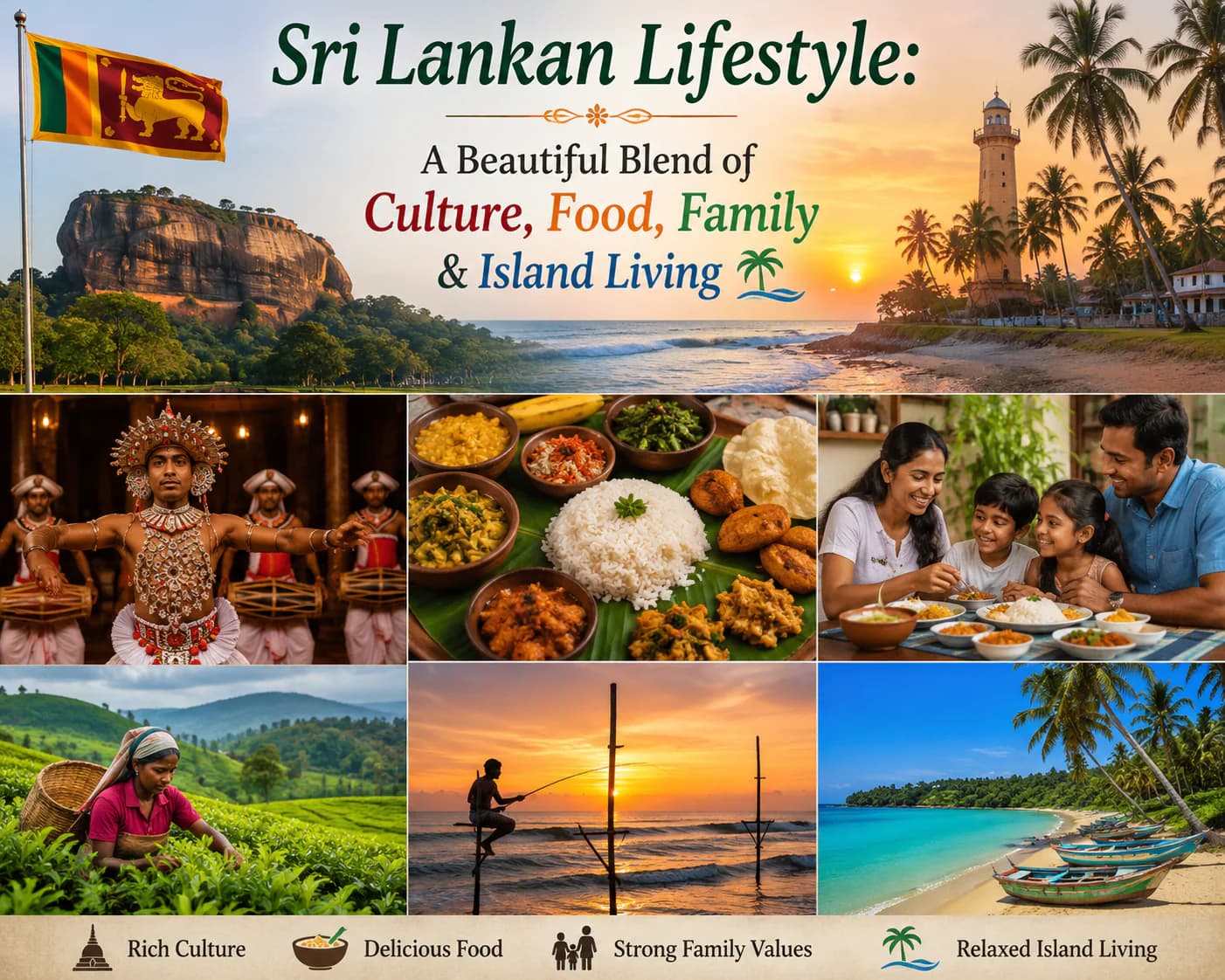
Sri Lankan Lifestyle: A Beautiful Blend of
Culture, Food, Family & Island Living
Discover the Sri Lankan lifestyle through local food, warm hospitality, family culture, festivals,
village life, tea traditions, Ayurveda, local customs, and authentic travel experiences.
Sri Lanka is not only a destination of golden beaches, wildlife safaris, waterfalls, tea plantations,
and ancient temples. It is also a country with a lifestyle that feels warm, colorful, peaceful, and
deeply human. The Sri Lankan lifestyle is shaped by family values, religious traditions, spicy
food, tropical nature, village culture, modern city life, and the famous hospitality of its people.
The first thing many travelers notice in Sri Lanka is the smile. From a small village home to a
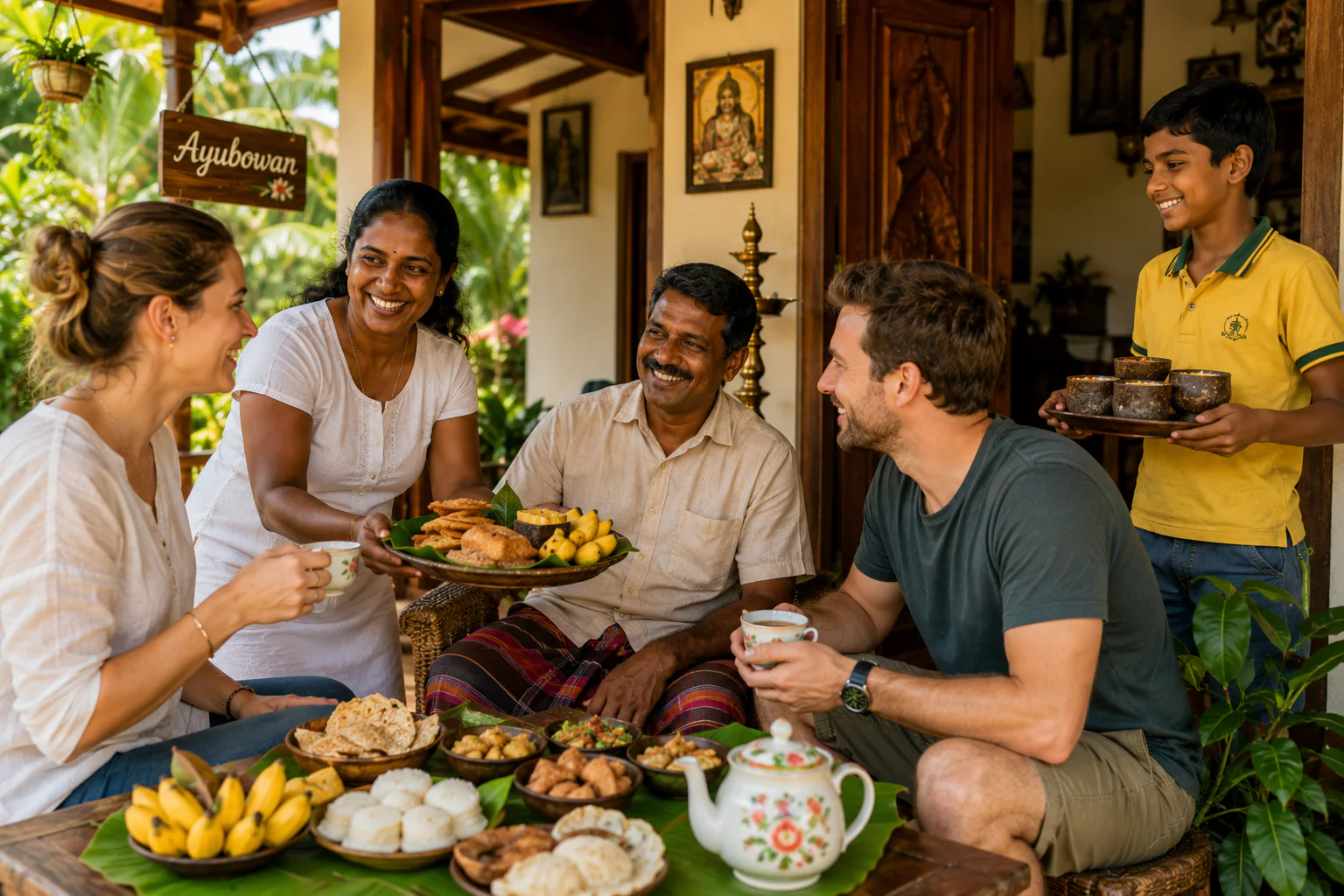
busy city shop, people often greet visitors with kindness. The traditional greeting “Ayubowan”
means “may you live long” and is used as a respectful way to welcome people. For travelers,
hearing “Ayubowan” is often the first beautiful introduction to the island’s culture and friendly
spirit.
Sri Lanka is a multicultural country with Sinhalese, Tamil, Muslim, Burgher, and other
communities. Religion plays an important role in daily life, and Buddhist temples, Hindu kovils,
mosques, and churches can be seen across the island. Because of this cultural mix, Sri Lankan
lifestyle is not the same everywhere. It changes depending on region, religion, family
background, income level, and whether people live in a village or city. That is why it is more
accurate to say “many Sri Lankans,” “often,” “commonly,” or “in many areas” instead of
saying “all Sri Lankans” or “everyone.” Your uploaded article already included strong sections
on family, hospitality, food, tea culture, village life, city life, festivals, clothing, Ayurveda, arts, and
travel experiences.
Family and Community Life in Sri Lanka
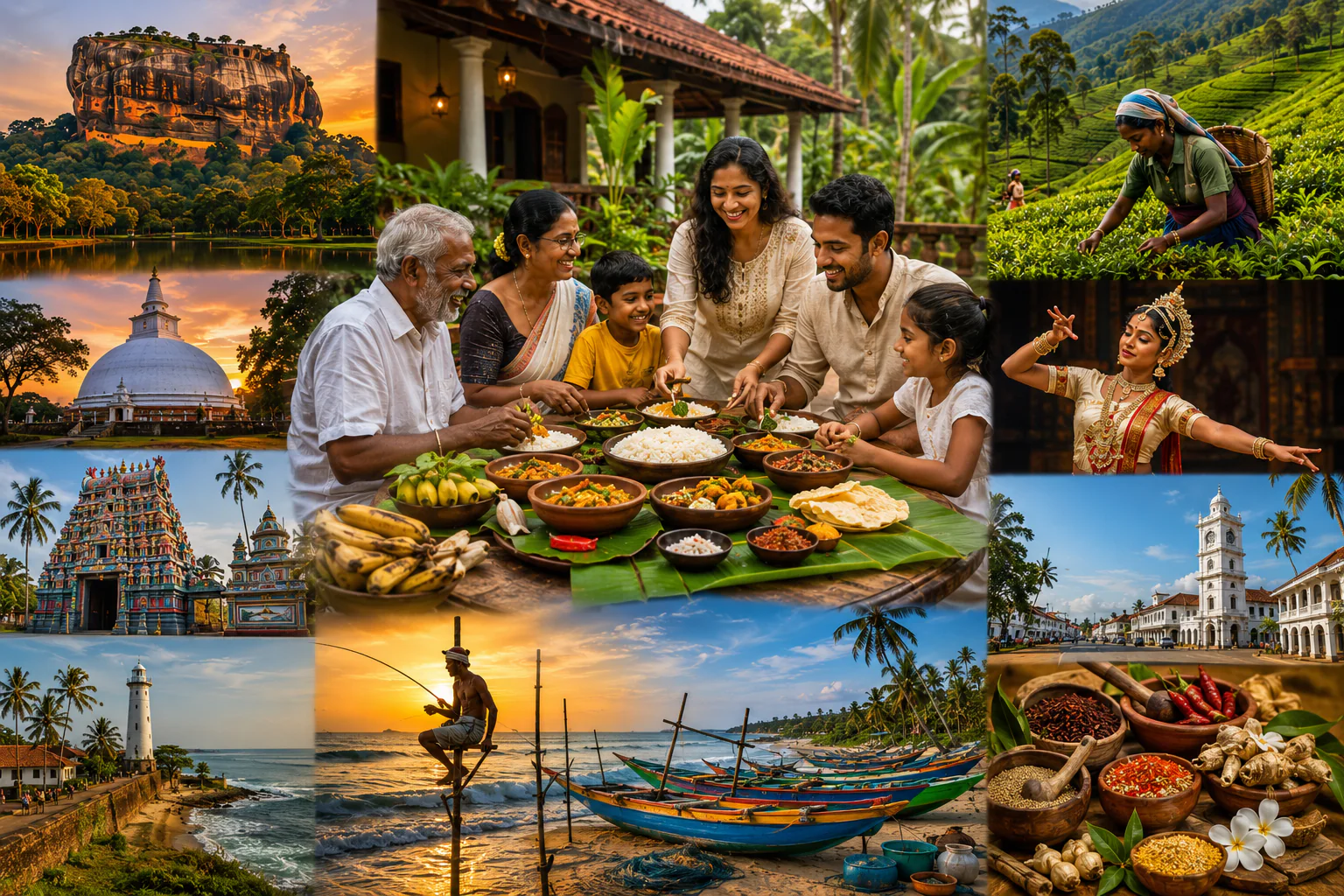
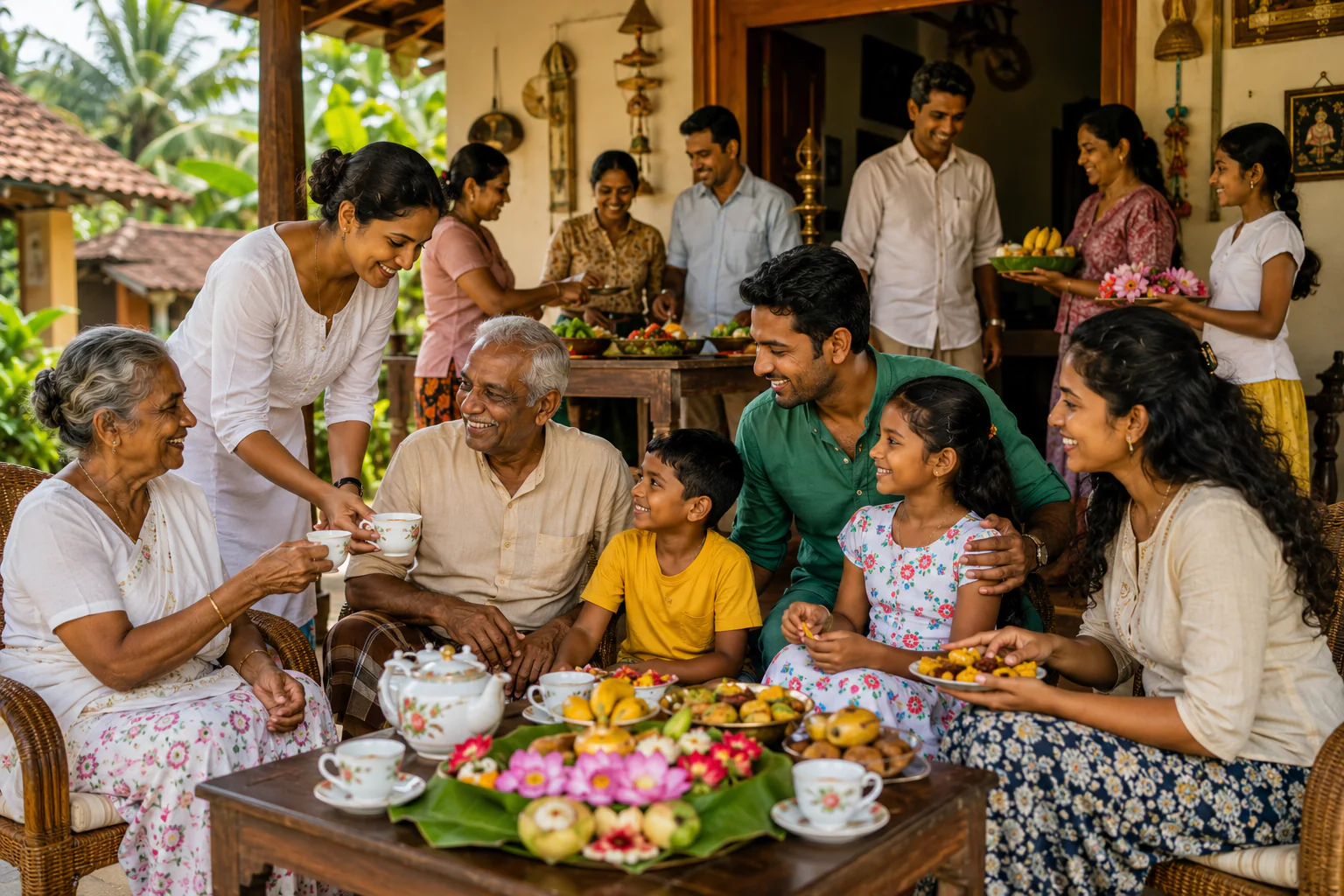
Family is at the center of Sri Lankan life. Many people grow up with strong connections to
parents, grandparents, cousins, and relatives. Even when families do not live in the same
house, they often stay close and support each other during important life moments.
Respect for elders is very important in many Sri Lankan families. Children are taught to speak
politely, listen to older family members, and show respect during religious events, weddings, and
family gatherings. Meals, festivals, and celebrations are often shared with relatives and
neighbors, making family and community life one of the strongest parts of Sri Lankan culture.
For travelers, this family culture can be felt most clearly in homestays and village tours. A simple
cup of tea can become a long conversation. A small visit can turn into a home-cooked meal.
This is one of the most beautiful parts of Sri Lankan lifestyle.
Sri Lankan Hospitality: The Heart of the Island
Sri Lankan hospitality is not only found in hotels and resorts. It is part of everyday life. Guests
are often offered tea, snacks, fruits, or a meal. In many homes, sharing food is a way of showing
love, care, and respect.
This warm hospitality makes Sri Lanka a special destination for cultural travelers. Whether you
visit a village, a tea estate, a local market, or a small guesthouse, you can often feel a personal
connection with local people. Many travelers remember Sri Lanka not only for its scenery but
also for the kindness of its people.
Food Culture in Sri Lanka
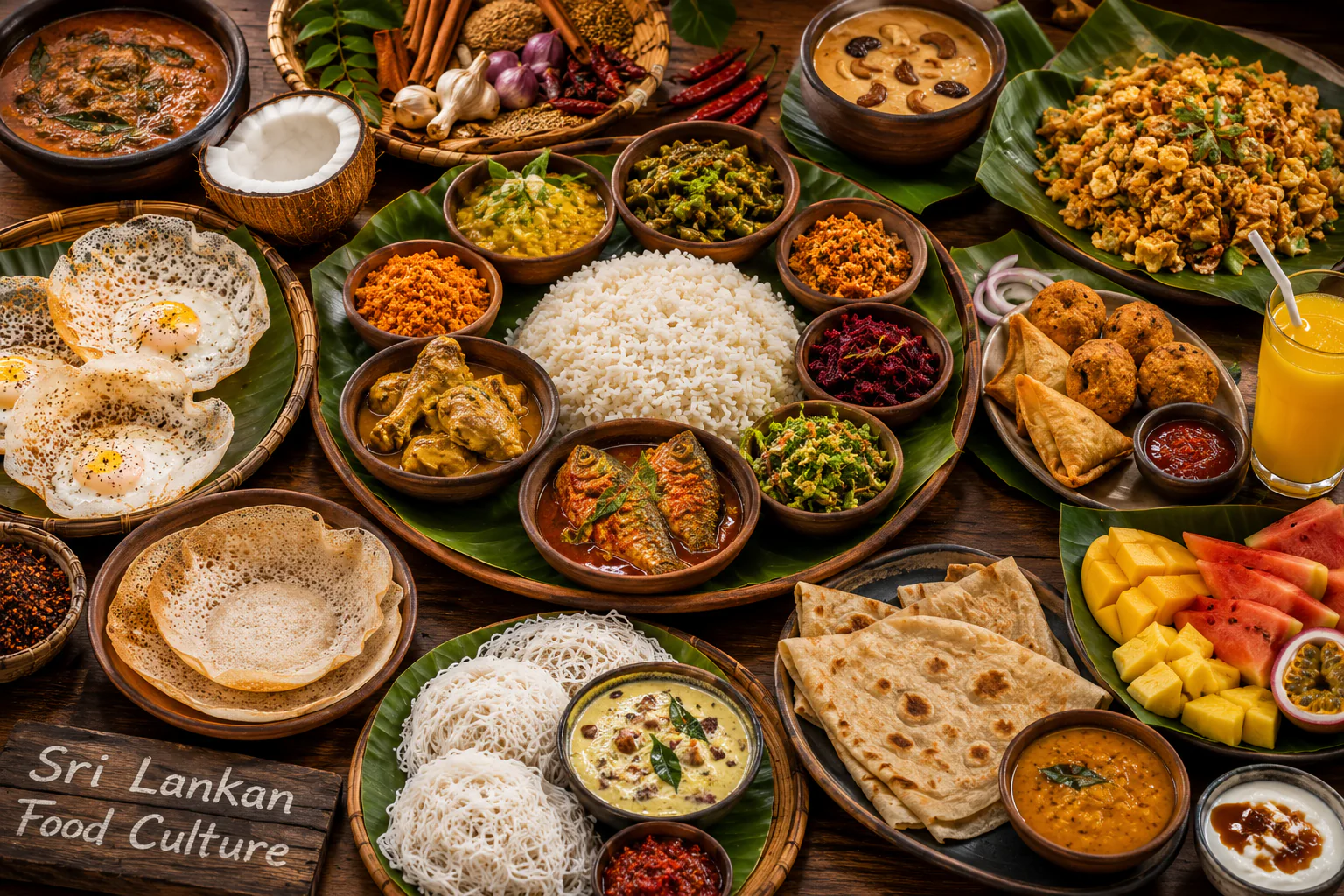
Food is one of the strongest parts of Sri Lankan lifestyle. The daily meal is usually based around
rice and curry, served with dhal curry, vegetable curries, fish or chicken curry, sambol,
papadam, and pickles. Meals are often colorful, spicy, fresh, and full of flavor.
Sri Lankan food uses coconut, curry leaves, cinnamon, cardamom, chili, pepper, and many local
spices. Popular dishes include hoppers, string hoppers, kottu roti, pol sambol, milk rice,
lamprais, seafood curry, watalappam, and buffalo curd with kithul treacle.
Breakfast in Sri Lanka can be a wonderful experience. A plate of egg hoppers with lunu miris,
string hoppers with kiri hodi, or pol roti with dhal curry gives travelers a real taste of local life.
Street food is also very popular, especially kottu roti, short eats, isso wade, samosas, and fresh
tropical fruit.
Tea Culture and Daily Life
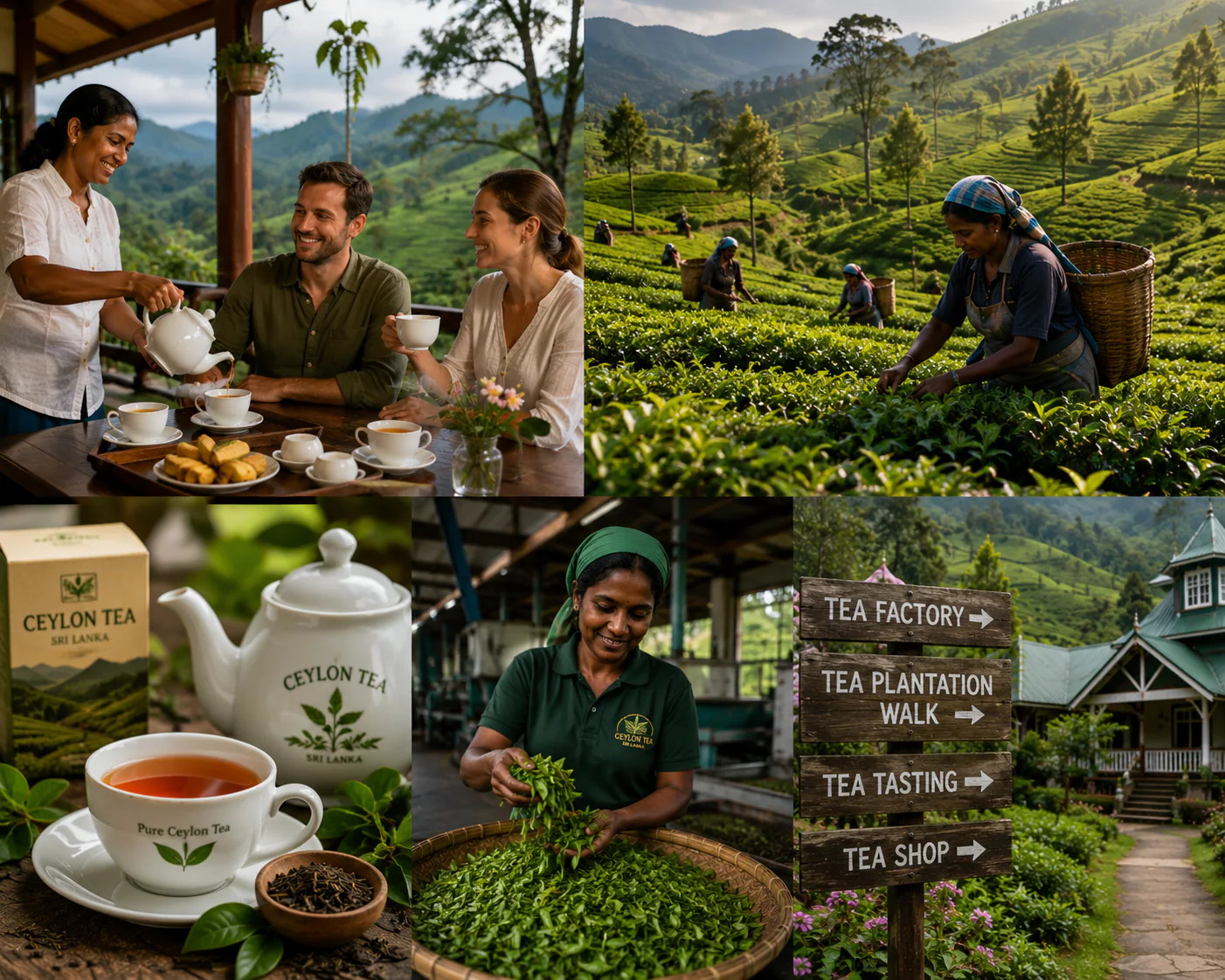
Tea is more than a drink in Sri Lanka. It is part of hospitality, conversation, work breaks, family
life, and travel culture. Offering a cup of Ceylon tea is a common way to welcome guests at
homes, shops, offices, hotels, and guesthouses.
The tea lifestyle is especially strong in the hill country areas such as Nuwara Eliya, Ella,
Haputale, and Kandy. Travelers can visit tea plantations, walk through green estates, meet tea
workers, and learn how world-famous Ceylon tea is produced. A tea plantation visit is one of the
best ways to understand Sri Lanka’s hill country lifestyle.
Village Life in Sri Lanka
Village life in Sri Lanka is peaceful, simple, and closely connected with nature. Many villages are
surrounded by paddy fields, coconut trees, home gardens, lakes, temples, and small local
shops.
A typical village morning may start early with birdsong, temple sounds, cooking smoke, and
people working in fields or home gardens. Farming, fishing, cinnamon peeling, handicrafts, and
small family businesses are part of rural life in many areas.
For tourists, village experiences are a beautiful way to understand real Sri Lanka. Cooking
classes, bullock cart rides, catamaran rides, paddy field walks, local market visits, and
home-cooked rice and curry meals can make a journey more meaningful.
City Life in Sri Lanka
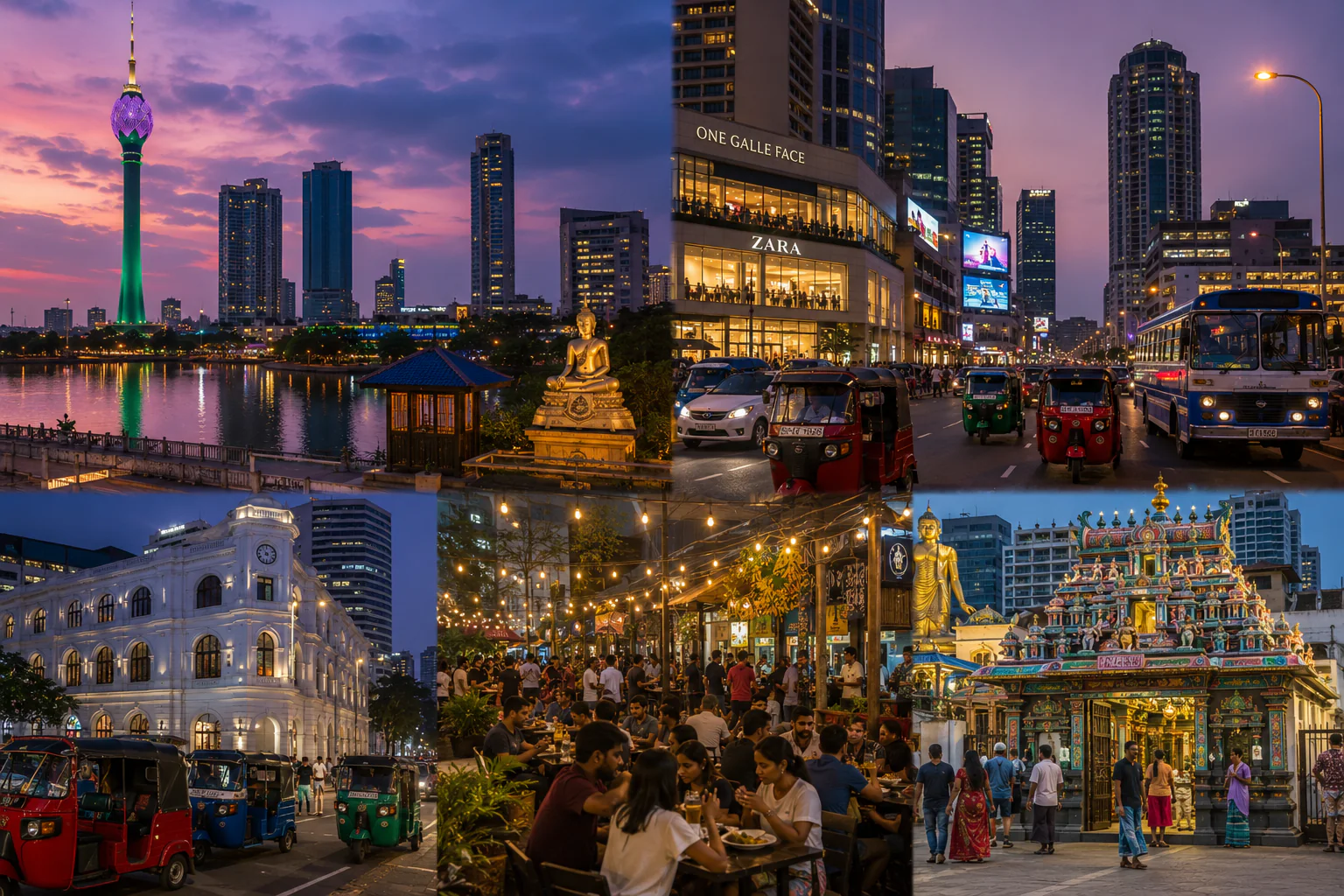
Sri Lankan city life is modern, busy, and colorful. Colombo is the commercial capital, with
shopping malls, restaurants, luxury hotels, offices, cafés, nightlife, and modern apartments.
Cities like Kandy, Galle, Negombo, Jaffna, and Anuradhapura also have their own lifestyle
and cultural identity.
City life is faster than village life, but Sri Lankan culture is still visible everywhere. You can see
temples near office buildings, street food stalls beside modern cafés, tuk-tuks moving through
traffic, and families visiting religious places during weekends. This mix of village charm and
modern city life makes Sri Lanka interesting for travelers.
Tourist Etiquette and Local Customs
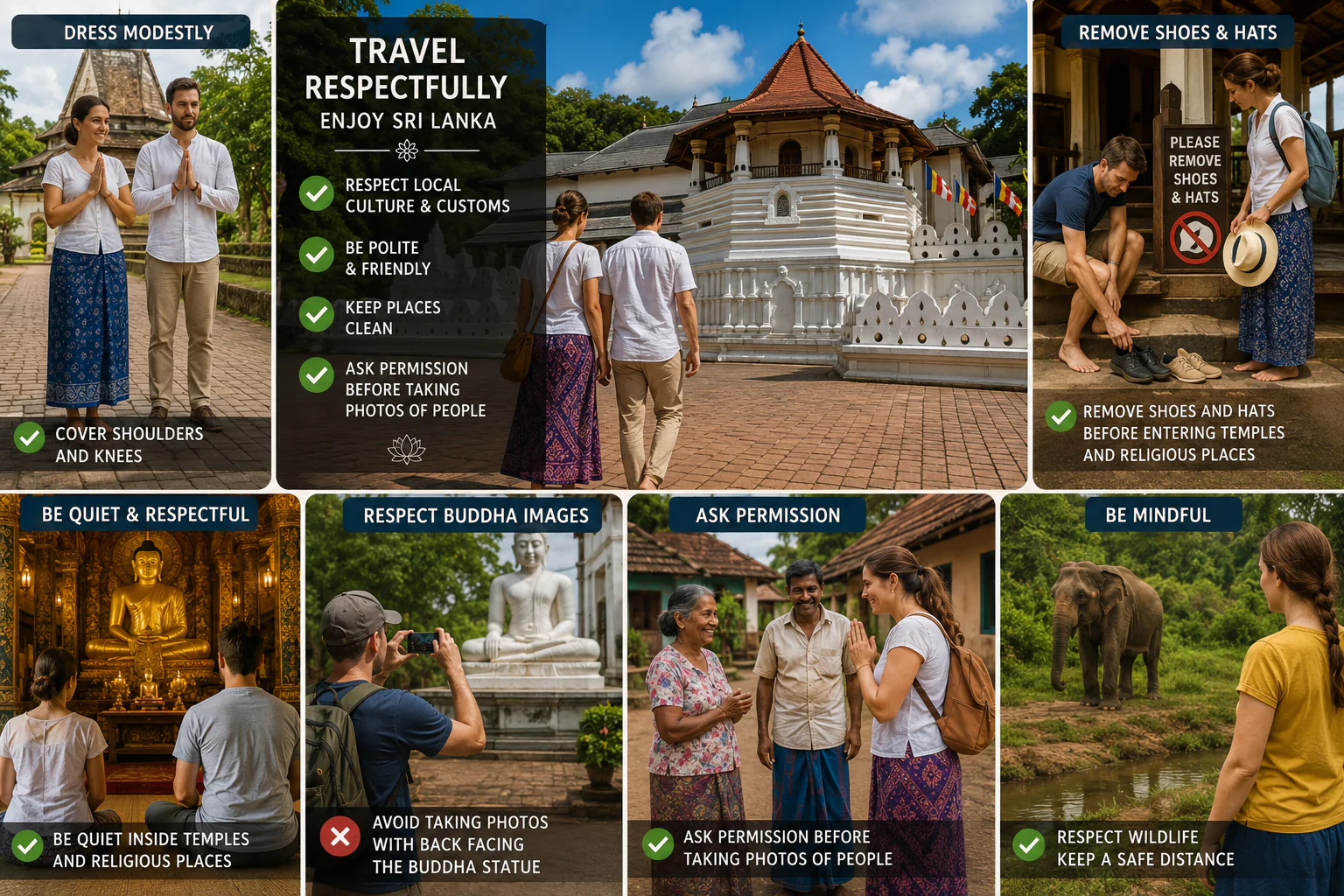
Tourists should understand a few simple local customs when exploring Sri Lanka. When visiting
temples or religious places, it is respectful to cover shoulders and knees, remove shoes and
hats, and behave quietly. Visitors should also avoid taking disrespectful photos near Buddha
statues or religious monuments.
These small actions help travelers enjoy Sri Lanka in a respectful and meaningful way. Sri
Lankans are usually friendly and welcoming, and showing respect for local culture makes the
travel experience even better.
Traditional Clothing in Sri Lanka
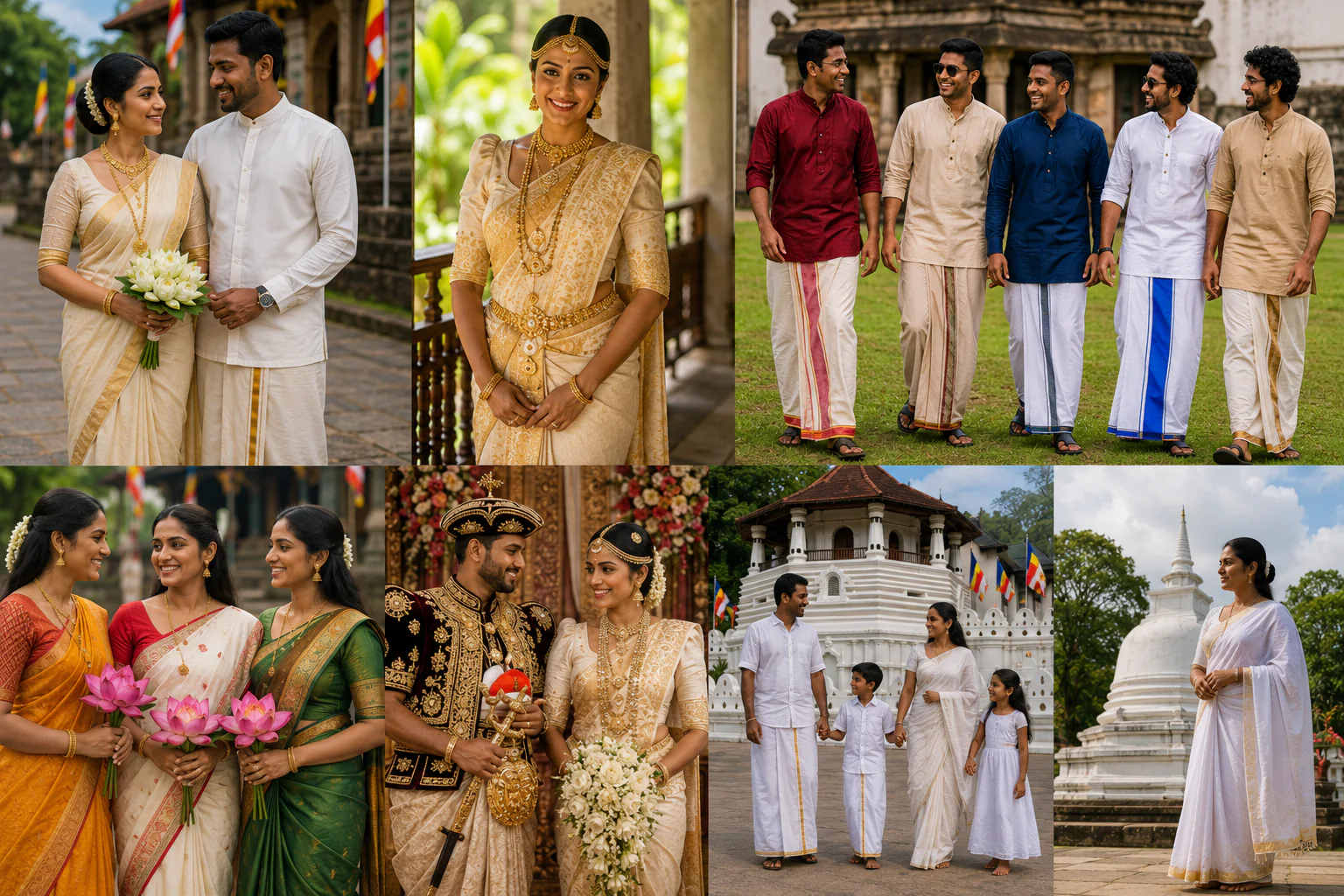
Traditional clothing is another beautiful part of Sri Lankan culture. Many Sri Lankans wear
modern clothes in daily life, but traditional outfits are still popular during weddings, festivals,
religious events, and cultural ceremonies.
Women often wear sarees or Kandyan osariya, while men may wear sarongs or national dress.
These clothes show the island’s cultural identity and elegance. Tourists do not need to wear
traditional clothing, but modest dress is appreciated when visiting temples, villages, and
religious sites.
Festivals and Religious Celebrations
Festivals and Religious Celebrations
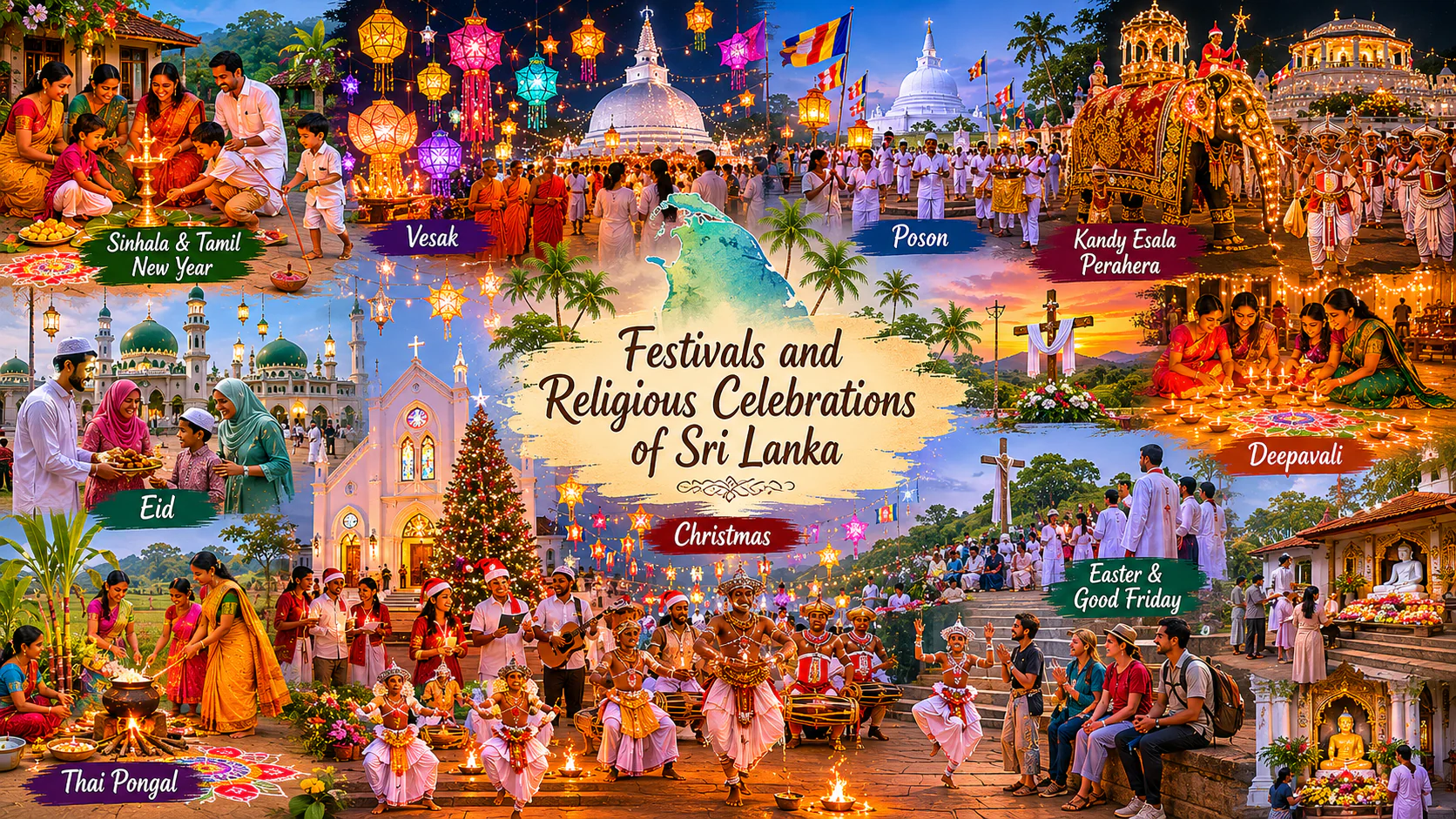
Festival travel experiences make Sri Lanka even more colorful. Events such as Sinhala and Tamil New Year, Vesak, Poson, Kandy Esala Perahera, Deepavali, Eid, Christmas, Easter, Good Friday, and Thai Pongal bring communities together with lights, food, music, rituals, prayers, and traditional celebrations.
For tourists, festival time is one of the best ways to experience Sri Lankan lifestyle. Vesak lanterns, New Year games, Perahera processions, temple visits, church celebrations, cultural performances, and family gatherings show the spiritual and artistic beauty of the island in a very special way.
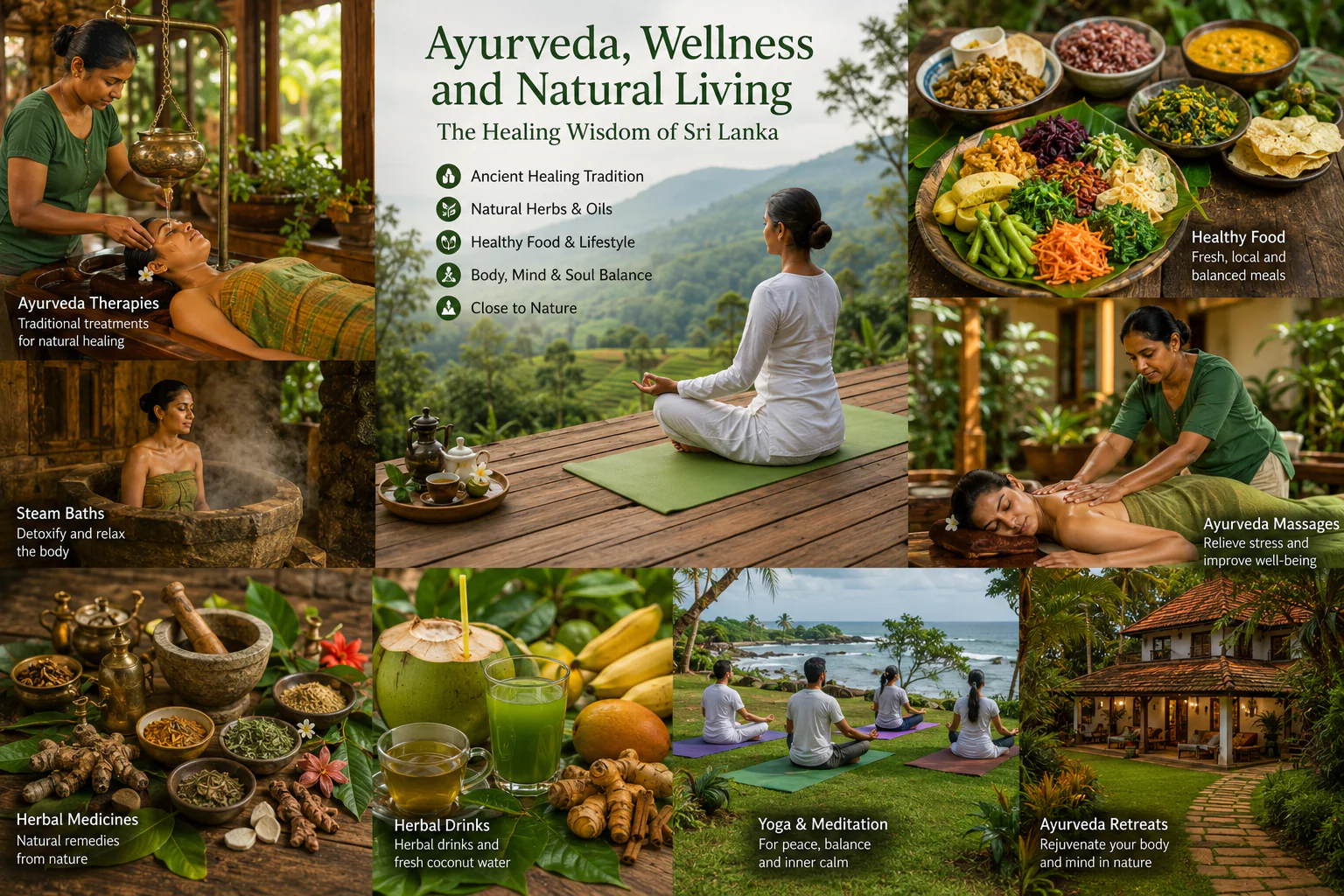
Ayurveda, Wellness, and Natural Living
Ayurveda and traditional healing are also part of Sri Lankan lifestyle. Herbal oils, natural
medicines, steam baths, massages, and healthy food practices are used by many people.
Wellness travelers can enjoy Ayurveda retreats in beach areas, hill country locations, and
peaceful nature resorts.
Sri Lanka’s connection to nature makes wellness feel authentic. Fresh fruits, herbal drinks,
coconut water, spices, yoga, meditation, and village remedies all play a role in the island’s
natural lifestyle.
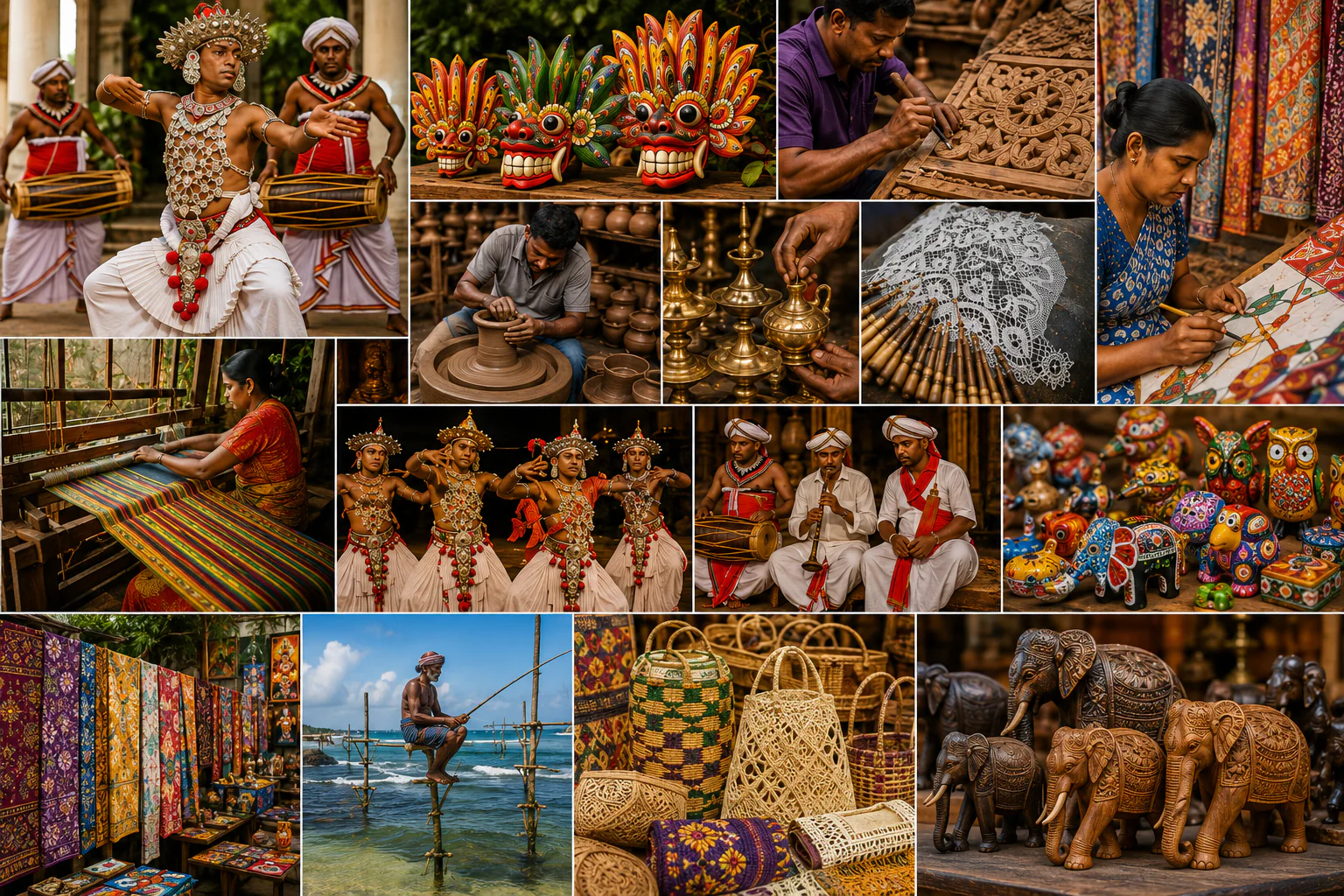
Arts, Crafts, Music, and Dance
Sri Lanka is rich in traditional arts and crafts. Mask making, batik, handloom, wood carving,
pottery, brass work, lace making, Kandyan dance, and traditional drumming are important parts
of the island’s heritage.
These arts are not only beautiful souvenirs. They tell the story of Sri Lanka’s history, r
eligion,
and local creativity. Travelers can experience these traditions in places like Kandy,
Ambalangoda, Galle, Colombo, and the Cultural Triangle.
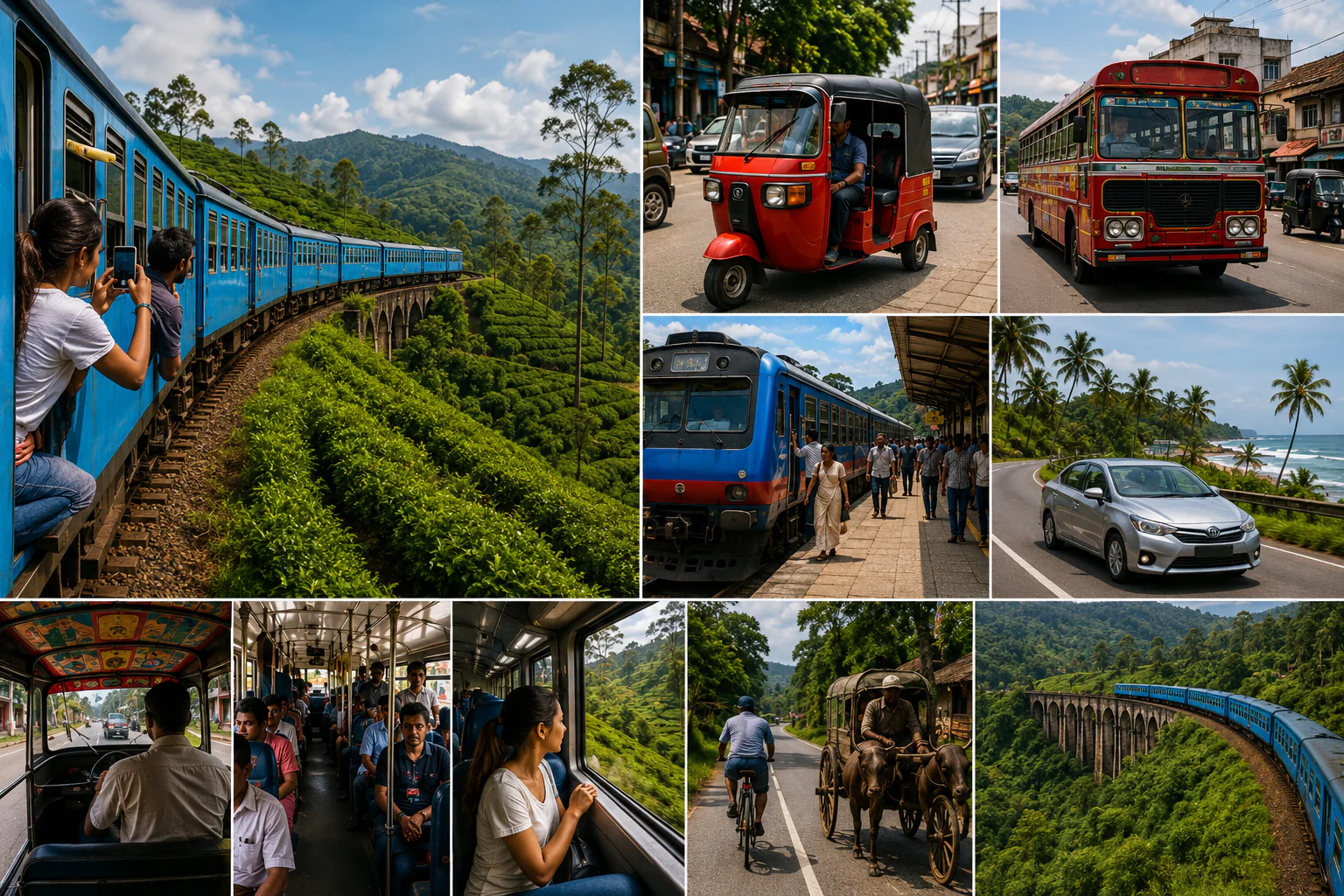
Local Transport and Daily Travel
Local transport is another interesting part of Sri Lankan lifestyle. Tuk-tuks, buses, trains, and
private vehicles are commonly used for daily travel. For tourists, a tuk-tuk ride through a town or
a scenic train journey through the hill country can become a memorable cultural experience.
The train ride from Kandy to Ella is especially famous for its tea plantations, mountains,
waterfalls, and misty landscapes. It is not only a journey from one place to another; it is a
beautiful way to feel the rhythm of Sri Lankan life.
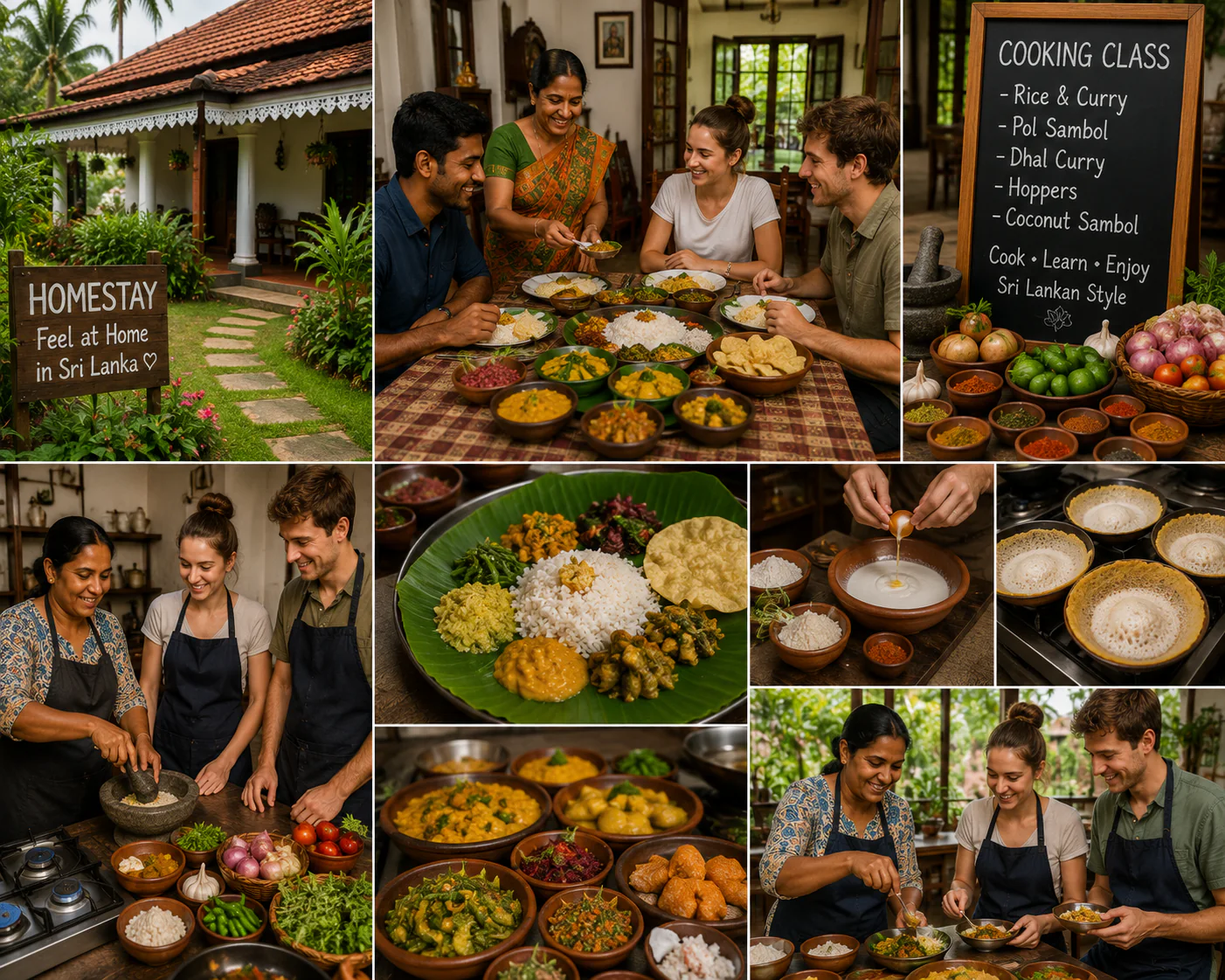
Homestays and Cooking Classes
Homestays and cooking classes are some of the best ways to experience real Sri Lankan life.
Staying with a local family allows travelers to enjoy home-cooked meals, learn about family
traditions, and understand daily routines.
A Sri Lankan cooking class is also a wonderful experience where visitors can learn how to
prepare rice and curry, pol sambol, dhal curry, hoppers, and other local dishes. These
experiences help travelers connect with the country in a personal and authentic way.
Best Ways for Tourists to Experience Sri Lankan Lifestyle
The best way to understand Sri Lankan lifestyle is to go beyond normal sightseeing. Stay in a
homestay, eat local food, visit a village, take a train journey, walk through a market, join a
cooking class, attend a festival, drink tea in the hill country, and speak with local people.
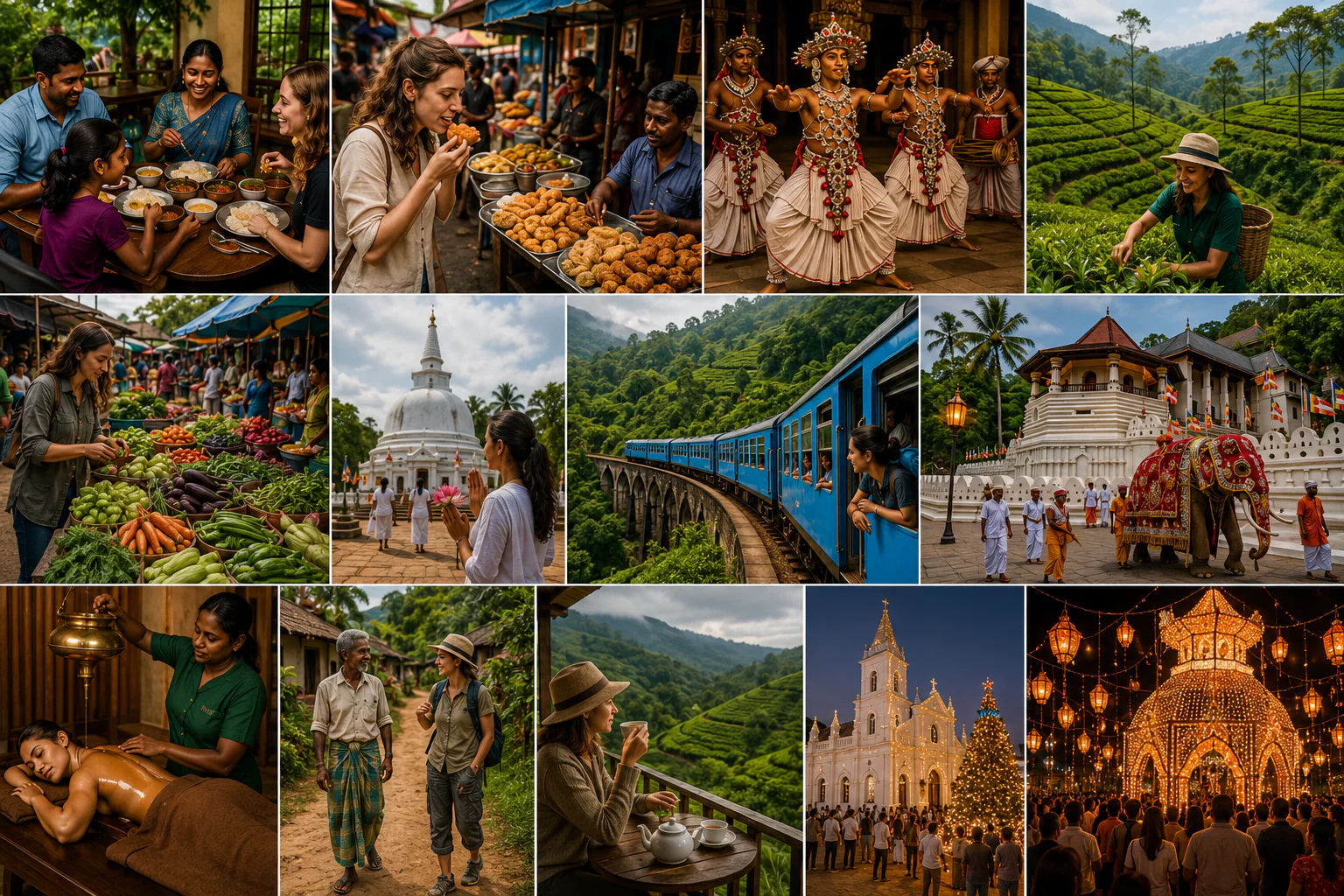
Some of the best lifestyle experiences include a Colombo street food tour, village cooking class,
Kandy cultural show, tea plantation visit in Nuwara Eliya or Ella, local market visit, temple visit
on a Poya day, traditional Ayurveda treatment, homestay with a Sri Lankan family, scenic hill
country train ride, and festival experiences such as Vesak or Esala Perahera.
Conclusion
Sri Lankan lifestyle is a beautiful mix of culture, family, food, religion, hospitality, nature, and
tradition. It is simple in some places, modern in others, but always full of warmth and color.
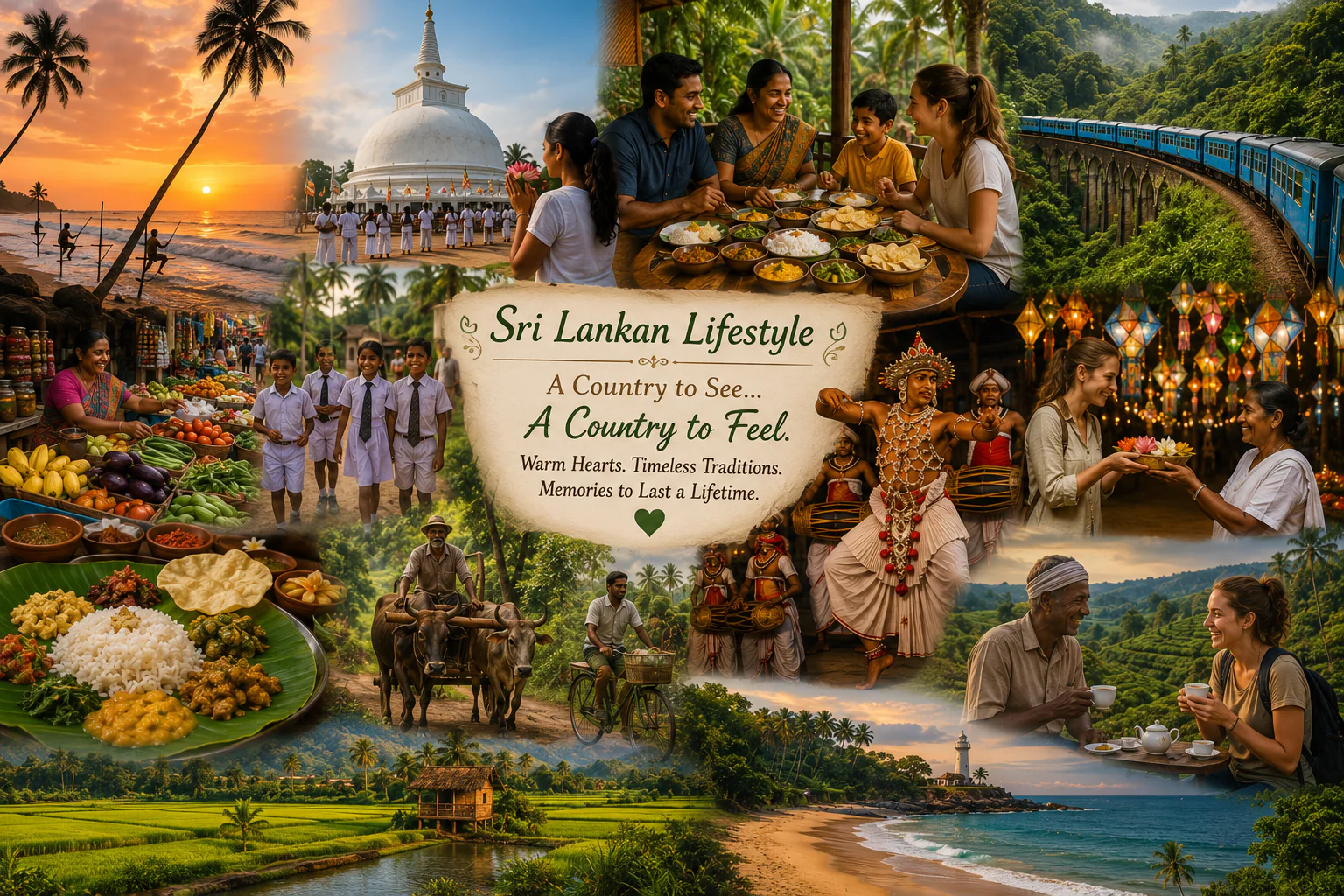
For travelers, Sri Lanka is not only a country to see. It is a country to feel. You feel it in the taste
of rice and curry, the sound of temple bells, the smell of fresh tea, the smile of local people, the
rhythm of village life, and the peaceful beauty of beaches, mountains, and paddy fields.
That is what makes Sri Lankan lifestyle so special. It is not just about how people live; it is about
how they welcome others into their way of life.
FAQ Section
What is Sri Lankan lifestyle like?
Sri Lankan lifestyle is a beautiful mix of family values, warm hospitality, traditional food, religion,
festivals, nature, village life, modern city life, and cultural traditions. It is simple, colorful, and
deeply connected to community and nature.
For travelers, Sri Lankan lifestyle can be experienced through local food, tea culture, village
tours, homestays, cooking classes, temple visits, tuk-tuk rides, scenic train journeys, and
cultural festivals. It is a lifestyle that feels friendly, relaxed, spiritual, and full of local character.
What are Sri Lankan people known for?
Sri Lankan people are commonly known for their warm smiles, hospitality, respect for guests,
love for family, and friendly nature. Many travelers remember Sri Lanka not only for its scenery
but also for the kindness of its people.
In many areas, guests are welcomed with tea, food, or helpful conversation. This natural
hospitality is one of the reasons Sri Lanka is loved by cultural travelers, family travelers,
honeymooners, and visitors looking for authentic local experiences.
What food is part of daily life in Sri Lanka?
Food is a major part of daily life in Sri Lanka. Rice and curry, dhal curry, pol sambol, hoppers,
string hoppers, kottu roti, seafood curry, milk rice, and Ceylon tea are common parts of Sri
Lankan food culture.
Sri Lankan food is full of coconut, spices, herbs, and fresh ingredients. Travelers can experience
real local food through street food tours, cooking classes, homestays, village meals, seafood
restaurants, and local markets.
How can tourists experience local life in Sri Lanka?
Tourists can experience local life in Sri Lanka through village tours, homestays, cooking classes,
tea plantation visits, local markets, temple visits, train journeys, tuk-tuk rides, and cultural
festivals. These experiences help travelers understand the real lifestyle of the island.
Instead of only visiting famous attractions, travelers should spend time with local families, try
home-cooked food, visit small towns, drink tea in the hill country, explore village life, and join
traditional activities. This gives a more meaningful and authentic Sri Lanka travel experience.
Why is Sri Lankan lifestyle unique?
Sri Lankan lifestyle is unique because it combines ancient traditions, multicultural festivals,
tropical island living, spicy food, warm hospitality, Ayurveda, tea culture, family values, and
beautiful natural surroundings. This blend makes Sri Lanka one of the most culturally rich
destinations in Asia.
The island offers many lifestyles in one journey. Travelers can experience peaceful village life,
modern Colombo city life, beach culture, hill country tea culture, religious festivals, wildlife
areas, and traditional wellness. This variety makes Sri Lankan lifestyle special, memorable, and
deeply attractive for visitors.